
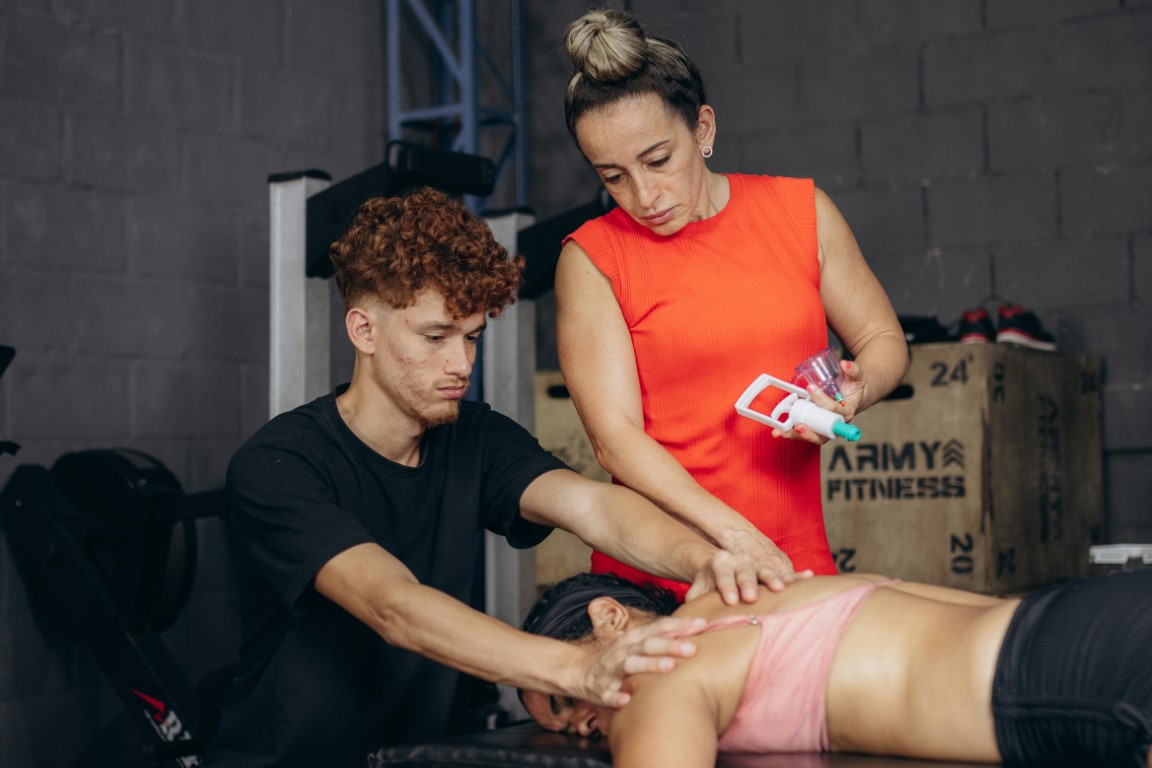
Neuromuscular massage and deep tissue massage are easy to confuse because both can involve firm pressure and work below the surface layers of muscle. They also tend to appear next to each other on spa and massage menus, often with descriptions that sound almost interchangeable.
The main difference is not simply how deep the therapist works. Deep tissue massage usually addresses broader areas of tightness, while neuromuscular massage is more targeted toward specific sensitive points and pain patterns.
That distinction can matter when choosing a session. Someone with general stiffness across the back may be looking for something different from someone who keeps experiencing discomfort in the same spot.
How Deep Tissue Massage Works
Deep tissue massage generally uses slower strokes and sustained pressure to work into deeper muscle layers and the connective tissue surrounding them. Rather than concentrating on one small point for most of the session, the therapist commonly works across a larger region of the body.
That can make deep tissue a good fit for broad muscular tightness. Someone whose shoulders feel consistently tense from desk work or whose legs are stiff after regular physical activity may benefit from working through those areas as a whole.
The pressure can be firm, but intensity should still remain within the client’s tolerance. More pressure does not automatically produce a better result, and a massage should not turn into an endurance test.
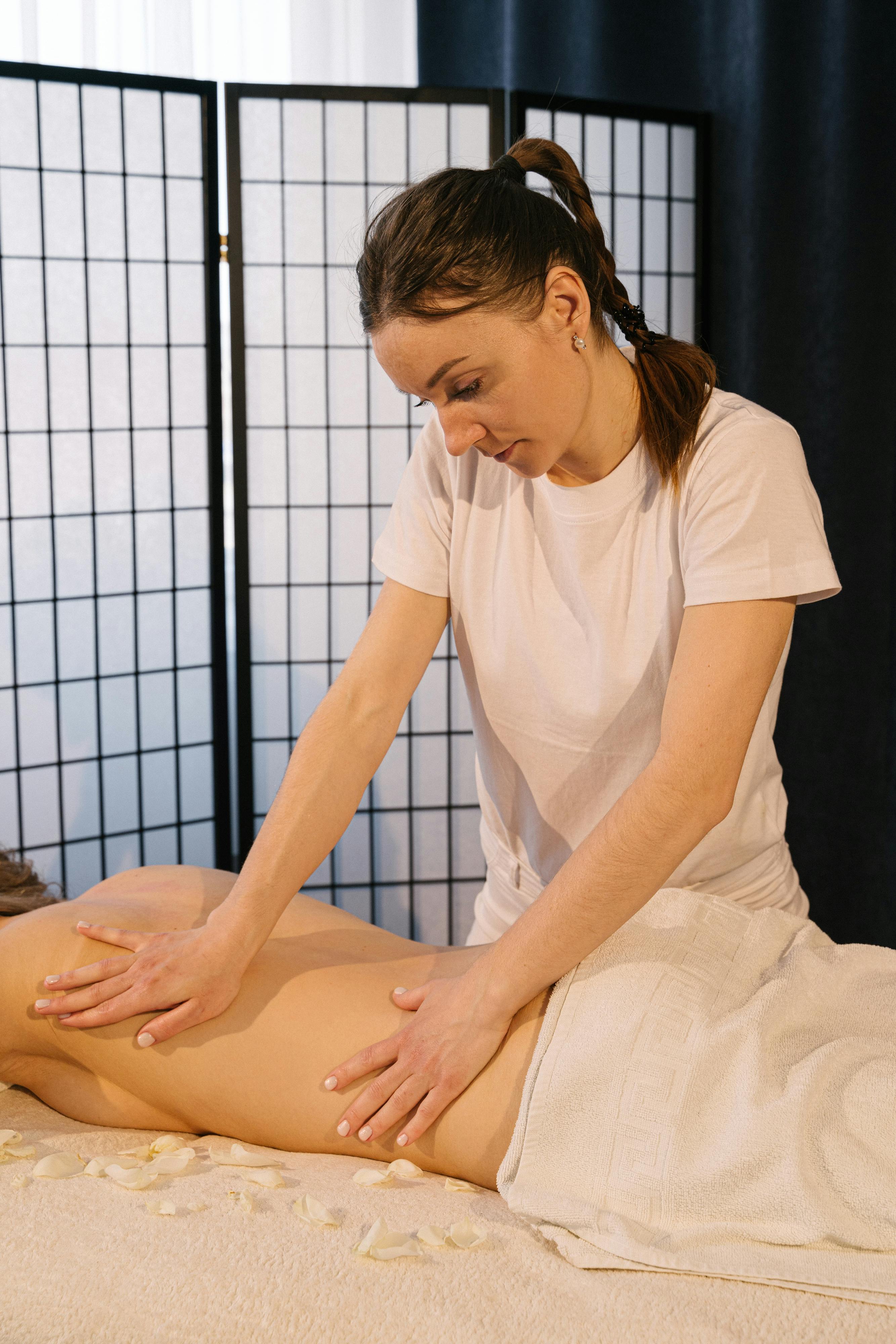
Deep tissue sessions can also vary considerably between therapists. Some may incorporate stretching or other techniques depending on what they find during the session and what the client is trying to address.
What Makes Neuromuscular Massage Different
Neuromuscular massage tends to focus more closely on specific points in the muscle that may be contributing to a person’s discomfort. These areas are often discussed in connection with trigger points, which are sensitive spots within tight bands of muscle that can sometimes be associated with pain felt locally or elsewhere.
The clinical work of Dr. Janet Travell and Dr. David Simons had a major influence on how therapists think about trigger points and referred pain patterns. Their work helped establish many of the maps and concepts still used in trigger-point-based massage today.
A neuromuscular session may therefore involve more assessment than a general relaxation massage. The therapist may ask where the discomfort appears, when it tends to happen, and whether certain movements or positions make it worse.
The therapist can then palpate the surrounding tissue and spend more time on specific areas that appear related to the reported symptoms. Focused or sustained pressure may be applied to those points, with the intensity adjusted according to the client’s feedback.
That makes neuromuscular work feel different from the more continuous rhythm of a conventional massage. The therapist may stay in one area for longer because the session is organized around a specific complaint rather than simply moving evenly through each region of the body.
Which One Fits Which Problem?
Deep tissue massage tends to make sense when the problem feels broad. General tightness through the back or legs, stiffness after activity, or muscular tension associated with repetitive work can all fit that type of approach.
Neuromuscular massage may be worth considering when discomfort is more specific or repeatable. Someone who consistently feels tension in the same part of the neck, for example, may benefit from a session that spends more time examining the surrounding muscles rather than treating the entire upper body in the same way.
The same can apply when discomfort seems to follow a pattern. Headaches associated with neck tension or recurring tightness around the jaw are examples of situations where a therapist may use more targeted trigger-point techniques.

That does not mean neuromuscular massage can diagnose the cause of pain. Persistent, severe, or unexplained symptoms should still be evaluated by an appropriate healthcare professional.
There is also substantial overlap between the two approaches. A therapist may use broader deep tissue techniques to work through an area and then spend additional time on a few particularly sensitive points.
For the client, the distinction is most useful when booking. Explaining whether the issue is general tightness or a specific recurring problem gives the therapist a better idea of how to structure the session.
Finding The Right Therapist
Specialized neuromuscular work depends on training and experience with trigger-point techniques and referred-pain patterns. Not every therapist who offers firm pressure necessarily has the same background in targeted neuromuscular methods.
When searching for massage therapy Orange County for a particular pain or tension problem, it is worth asking about the therapist’s experience with neuromuscular and trigger-point work. It can also help to ask whether sessions are customized around the client’s symptoms rather than following the same routine every time.
Massage Matters offers several therapeutic approaches, including deep tissue, trigger-point, myofascial, and neuromuscular techniques. That allows the therapist to combine methods when a client’s needs do not fit neatly into one category.
The number and frequency of sessions can vary depending on the person’s goals and how the body responds. Someone dealing with a long-standing problem may need a different approach from someone booking after a particularly demanding week.
The Difference Comes Down To Focus
Deep tissue and neuromuscular massage are not competing versions of the same service. They overlap, but they organize the session around different priorities.
Deep tissue generally works more broadly through areas of muscular tension. Neuromuscular massage spends more time on specific points and patterns that may be associated with a particular complaint.
For many clients, the best session may include elements of both. The useful first step is simply describing the problem clearly enough that the therapist can choose the techniques that fit it.
Massage Matters
+17142423390
16525 Von Karman Ave E, Irvine, CA 92606
